The Middle East stands at a critical juncture, gripped by an intensifying conflict often referred to as the Iran War. What began as a complex web of proxy engagements has now unequivocally escalated into a direct military confrontation, drawing in major regional and global powers. This article traces the turbulent path that led to this full-blown crisis, examining the pivotal events, strategic decisions, and the far-reaching implications that define the conflict today.
The Genesis of Conflict: From Proxies to Power Play
The current Iran War didn't erupt overnight; its roots are deeply embedded in years of geopolitical maneuvering and a calculated strategy of regional influence. The immediate catalyst for this dramatic escalation was the devastating Hamas attacks on Israel on October 7, 2023. This event served as a flashpoint, quickly expanding a localized conflict into a broader regional conflagration involving Israel and the United States against Iran and its formidable network of allied militias, including Hezbollah, Hamas, and other militant groups.
For decades, Iran meticulously cultivated and supported an "Axis of Resistance" across the Middle East. Throughout the 2010s, Tehran provided extensive funding, sophisticated arms, and rigorous training programs, primarily through its Islamic Revolutionary Guard Corps (IRGC), to groups like Hamas and Hezbollah. This support, estimated in billions of dollars, included the transfer of precision-guided munitions and comprehensive ideological indoctrination. Hezbollah, in particular, benefited immensely from Iranian expertise and advanced weaponry, establishing itself as a significant deterrent force along Israel's northern border. This proxy strategy allowed Iran to project power and destabilize adversaries without direct military engagement, creating a buffer that amplified Tehran's regional influence.
Nuclear Tensions and Escalating Shadow Wars
A parallel and equally critical trajectory contributing to the current Iran War was the steady escalation of tensions surrounding Iran's nuclear program. The 2018 U.S. withdrawal from the Joint Comprehensive Plan of Action (JCPOA) under President Trump marked a significant turning point. This decision effectively removed the international constraints on Iran's nuclear activities, prompting Tehran to incrementally violate JCPOA thresholds. By the early 2020s, Iran had resumed uranium enrichment beyond deal limits, rapidly advanced its centrifuge technology, and expanded its stockpile to near-weapons-grade levels. This unchecked progression heightened proliferation risks and dramatically ratcheted up regional anxieties.
Concurrently, Israel had been engaged in an undeclared "war between wars" for years. From 2013 onward, it conducted hundreds of covert airstrikes in Syria, primarily targeting Iranian military assets and supply lines intended for Hezbollah. The objective was clear: disrupt arms transfers, prevent Iranian entrenchment near the Golan Heights, and degrade the capabilities of Iran's proxies without triggering an all-out war. This shadow conflict simmered for years, demonstrating the precarious balance of power and the constant threat of wider confrontation even before the direct hostilities of the Iran War began.
The Leap to Direct Confrontation: Key Milestones
The carefully maintained façade of indirect warfare finally shattered, giving way to the direct and overt military clashes that define the current phase of the Iran War. The transition began in October 2024 with a series of direct Israeli strikes, signaling a shift from reactive defense to proactive offense. This period also saw significant geopolitical realignments, including the collapse of the Assad regime in Syria on December 8, 2024, further altering the regional power dynamics and creating new vulnerabilities and opportunities for all parties involved.
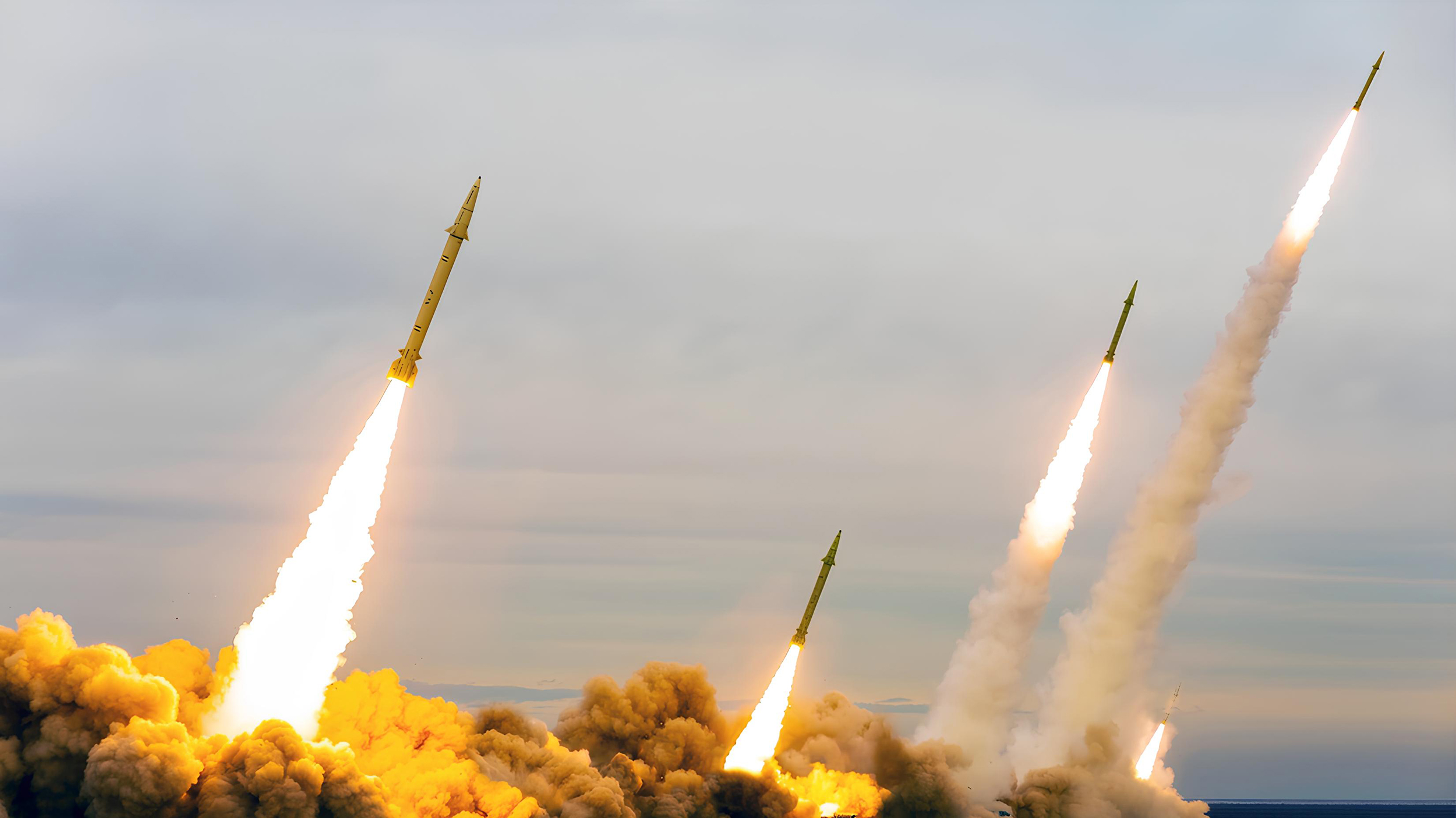
The conflict reached an unprecedented level of intensity on February 28, 2026, when joint U.S.-Israeli air attacks commenced against critical Iranian targets. These strikes were not limited to proxy infrastructure but directly aimed at Iran's nuclear facilities, missile production sites, and key leadership targets, representing a significant escalation of military action against sovereign Iranian territory. Iran's response was swift and retaliatory, unleashing its own missile and drone strikes against Israel, U.S. bases across the region, and various allied targets, thus formalizing the direct military engagement of the Iran War.
Key Escalation Points:
- October 7, 2023: Hamas attacks on Israel, igniting the broader conflict.
- October 2024: Israeli direct strikes against Iranian interests begin.
- December 8, 2024: Collapse of the Assad regime in Syria, reshaping the regional strategic landscape.
- February 28, 2026: Joint U.S.-Israeli air attacks on Iranian nuclear, missile, and leadership targets.
- Ongoing: Iranian retaliatory strikes against U.S. and Israeli assets.
The Current Landscape: Leadership Changes, Regional Impact, and Global Concerns
As the Iran War enters a new, more dangerous phase, the developments are rapid and impactful. A significant leadership change within Iran has added another layer of complexity: Mojtaba Khamenei, the second son of former Supreme Leader Ayatollah Ali Khamenei, has been named Iran's new Supreme Leader. This appointment, reported by Iranian state media, signals a potential shift in internal dynamics and could influence the country's strategic direction in the conflict. For a deeper dive into this pivotal leadership change, read our article: Mojtaba Khamenei Takes Helm as Iran War Enters Day 10.
The human cost of the conflict continues to mount, with reports of U.S. service members dying in the war, bringing the reported toll to seven. President Trump, reiterating a stance of "unconditional surrender" from Iran, has indicated no timetable for the conflict, asserting that the U.S. has significantly diminished the Iranian military and regime and plans to expand its targets inside Iran. Conversely, Iranian President Masoud Pezeshkian has vehemently threatened to step up attacks on American targets throughout the Middle East, declaring, "When we are attacked, we have no choice but to respond." This war of words underscores the severe lack of diplomatic off-ramps.
The regional impact is already profound, extending beyond military clashes to economic consequences. Bahrain's state oil company, Bapco, declared a force majeure for its oil shipments after an apparent Iranian attack set its sole refinery in Sitra ablaze. This legal maneuver releases Bapco from contractual obligations due to extraordinary circumstances, highlighting the direct economic repercussions of the conflict on critical infrastructure. While Bapco assured it could still meet local demand, the incident sends a clear message about the war's potential to disrupt global energy markets.
European leaders, deeply concerned by the escalating hostilities and their potential global ramifications, are set for emergency talks. The conflict, described by Euronews as the "US-Israeli war on Iran," is prompting urgent discussions on potential de-escalation strategies, humanitarian aid, and the broader implications for international stability. To understand Europe's specific reactions and the outcomes of these crucial discussions, refer to: Europe Reacts: Emergency Talks Amidst Expanding Iran War Targets.
Navigating the Escalation: Implications and Outlook
The transition of the Iran War from a proxy conflict to direct military engagement marks a dangerous new chapter in Middle Eastern geopolitics. The targeting of Iranian nuclear and leadership sites by a U.S.-Israeli coalition is an unprecedented move, carrying immense risks of further and potentially uncontrollable escalation. The appointment of Mojtaba Khamenei as Supreme Leader could usher in a more hardline or, conversely, a more pragmatic approach, depending on internal power dynamics and external pressures.
For observers and stakeholders, understanding the trajectory of this conflict involves closely monitoring several key factors: the rhetoric and actions of the new Iranian leadership, the continued U.S. commitment and military strategy, Israel's security imperatives, and the effectiveness of international diplomatic efforts. The impact on global oil prices and shipping lanes, particularly in the Persian Gulf, remains a critical economic concern. Furthermore, the humanitarian crisis and potential for refugee flows will demand significant international attention. The "unconditional surrender" versus "no choice but to respond" narratives underscore the deep chasm that diplomacy must bridge to prevent a wider catastrophe.
The Iran War represents a complex, multi-layered conflict whose origins lie in decades of proxy warfare, nuclear proliferation anxieties, and regional power struggles. The recent shift to direct military confrontation, marked by specific timelines and overt attacks on critical infrastructure and leadership targets, signifies a dangerous escalation. As new leaders take the helm and global powers convene emergency talks, the path forward remains fraught with peril, demanding a concerted international effort to de-escalate tensions and avert a catastrophic regional, and potentially global, fallout.