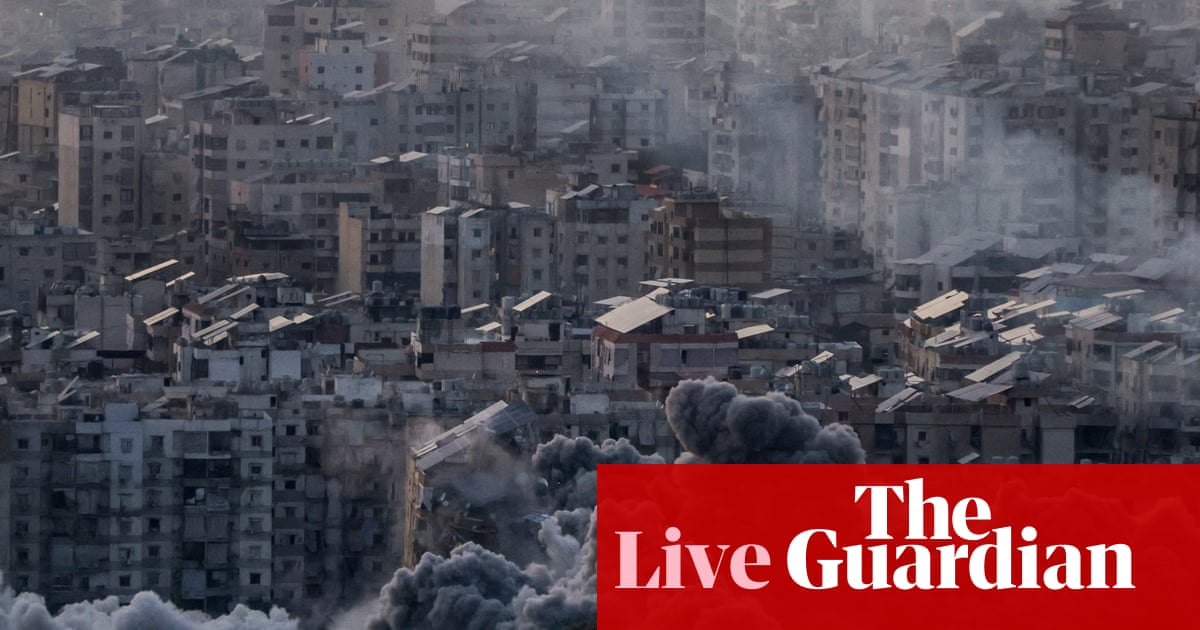
Europe's Urgent Diplomacy: Confronting the Expanding Iran War Targets
The escalating
Iran war has rapidly evolved into a crisis of global proportions, prompting an immediate and grave response from European capitals. As the conflict intensifies and the theatre of operations expands, European leaders are convening emergency talks, desperately seeking pathways to de-escalation and stability in an increasingly volatile Middle East. This is not merely a regional conflagration; its far-reaching consequences threaten global energy security, international trade, and the delicate balance of geopolitical power, demanding a unified and decisive international approach.
Euronews correspondent Jane Witherspoon's reports from Dubai underscore the gravity of the situation on the ground, while EU Editor Maria Tadeo highlights the palpable concern reverberating through European Union institutions. The urgency stems from several critical factors:
- Energy Security: The Middle East remains a vital source of global energy. Any significant disruption to oil and gas supplies, particularly through critical chokepoints like the Strait of Hormuz, could send shockwaves through European economies already grappling with inflationary pressures.
- Economic Stability: Beyond energy, the conflict threatens global supply chains and trade routes. European businesses with investments or dependencies in the region face significant risks, and broader economic uncertainty could stifle recovery.
- Refugee Crisis: Past conflicts in the Middle East have directly led to large-scale humanitarian crises and refugee flows into Europe. Leaders are keen to prevent a similar scenario, which would place immense pressure on social and political systems.
- Preventing Spillover: There's a profound fear that the conflict could spiral out of control, drawing in more regional and international actors, potentially triggering a wider confrontation with catastrophic implications.
- Humanitarian Concerns: The immense human cost of war weighs heavily on Europe's conscience, driving efforts to protect civilian lives and ensure humanitarian aid access.
These emergency talks are crucial for Europe to forge a common strategy, balancing their security interests with the imperative to promote peace and prevent further escalation of the
iran war.
The Shifting Sands of Power: Mojtaba Khamenei's Ascension and Iran's Unyielding Stance
Amidst the escalating hostilities, a significant leadership transition has occurred in Tehran, potentially reshaping Iran's strategic calculus. Mojtaba Khamenei, the second son of the former Supreme Leader Ayatollah Ali Khamenei, has been named Iran's new Supreme Leader. This pivotal moment, as the
iran war rages on its tenth day, marks a critical juncture for both Iran and the international community. For more details on this transition, read
Mojtaba Khamenei Takes Helm as Iran War Enters Day 10.
The ascension of a new Supreme Leader, particularly one with strong ties to the country's security apparatus, signals a potential continuation, if not an intensification, of Iran's hardline policies. While the immediate impact on the conflict's trajectory remains to be seen, many analysts believe it could signify a renewed resolve to project power and resist external pressures. This leadership change occurs as Iranian President Masoud Pezeshkian has unequivocally threatened to step up attacks on American targets throughout the Middle East, asserting, "When we are attacked, we have no choice but to respond." This rhetoric underscores Iran's commitment to retaliatory action, further deepening the cycle of violence.
A new leader, especially one unburdened by past diplomatic entanglements or perceived compromises, might be inclined towards more assertive actions, potentially complicating future attempts at de-escalation or negotiation. The historical context of Supreme Leader succession in Iran often reveals a consolidation of power around existing ideological frameworks, suggesting that the new leadership will likely maintain Iran's revolutionary principles and its "Axis of Resistance" strategy. Understanding this internal dynamic is crucial for European leaders as they craft their diplomatic responses to the
iran war.
From Proxies to Direct Confrontation: Tracing the Evolution of the Iran War
The current
iran war is the culmination of a multi-phase regional conflict that has simmered for years, finally erupting into direct, overt military engagements. Its origins can be traced back to the horrific Hamas attacks on Israel on October 7, 2023, which catalyzed a rapid and severe escalation across the Middle East. What began as proxy engagements involving Israel and the United States against Iran and its vast network of allied militias—including Hezbollah, Hamas, and other regional groups—has tragically transitioned into direct military confrontation.
Key milestones in this perilous escalation include:
- October 2024: Israel initiated direct strikes against Iranian targets, signaling a move beyond proxy warfare.
- December 8, 2024: The collapse of the Assad regime in Syria significantly altered the regional power dynamics, removing a key Iranian ally and potentially exposing new vulnerabilities or opportunities for all parties.
- February 28, 2026: Joint U.S.-Israeli air attacks commenced, targeting critical Iranian nuclear facilities, missile sites, and leadership compounds. These direct assaults represented a stark shift, abandoning the previous strategies of containment and indirect engagement.
Iran's response has been equally assertive, launching missile and drone strikes against Israel, U.S. bases, and allied targets across the region. This tit-for-tat escalation underscores the dangerous cycle of action and reaction, where each side perceives itself as responding to aggression.
The Nuclear Shadow and Pre-emptive Strikes
A critical undercurrent fueling this conflict is Iran's nuclear program. The 2018 U.S. withdrawal from the Joint Comprehensive Plan of Action (JCPOA) under President Trump removed significant constraints on Tehran's nuclear ambitions. In response, Iran incrementally violated JCPOA thresholds, resuming uranium enrichment beyond deal limits, advancing centrifuge technology, and expanding its stockpile to near-weapons-grade levels by the early 2020s. This rapid progress significantly heightened regional tensions over proliferation risks, driving fears that Iran could be on the cusp of developing nuclear weapons.
Simultaneously, since 2013, Israel has conducted hundreds of covert airstrikes targeting Iranian military assets and proxy supply lines in Syria. These operations aimed to disrupt arms transfers to Hezbollah and prevent the entrenchment of Iranian-backed forces near the Golan Heights. These pre-emptive strikes, driven by a deep-seated concern over Iran's regional influence and nuclear program, have been a continuous source of friction, contributing significantly to the current state of direct conflict. The intertwining of the nuclear question with proxy warfare and direct military actions illustrates the complex, multi-layered nature of the
iran war.
Expanding Targets and Regional Instability: The Cost of Conflict
The current phase of the
iran war is characterized by an alarming expansion of targets and a rapidly escalating human and economic toll. President Trump's declaration of "unconditional surrender" from Iran, coupled with his assertion that the U.S. has "diminished the Iranian military and regime" and will "continue to expand its targets inside Iran," signals a prolonged and potentially wider conflict. This mirrors Iranian President Pezeshkian's threats of retaliatory strikes on American targets, creating a dangerous feedback loop of escalation.
The human cost is already tragically evident, with the recent death of another U.S. service member bringing the total to seven. Each casualty underscores the profound personal sacrifice involved in this conflict, impacting families and communities far beyond the immediate battlefields.
Economically, the impact is immediately tangible. Bahrain's state oil company, Bapco, declared a force majeure for its oil shipments after an Iranian attack reportedly set its sole refinery ablaze. This legal maneuver, triggered by extraordinary circumstances, highlights the severe disruption to critical infrastructure. The Sitra refinery, a cornerstone of Bahrain's economy, was engulfed in thick plumes of smoke, vividly illustrating the direct economic fallout of the conflict. While Bapco stated it could still meet local demand, the incident sends a chilling message to global energy markets about the vulnerability of regional oil infrastructure.
Practical Implications and Economic Outlook:
- Oil Price Volatility: Attacks on energy infrastructure in the Middle East will almost certainly lead to increased volatility in global oil and gas prices, affecting consumers and businesses worldwide.
- Shipping Risks: The heightened security threat in critical shipping lanes, particularly through the Strait of Hormuz, could lead to increased insurance premiums, longer transit times, and potential disruptions to global supply chains.
- Investment Uncertainty: Regional instability deters foreign investment, impacting economic development and recovery in the Middle East and potentially influencing global financial markets.
For businesses and individuals, prudent advice includes monitoring energy market trends, diversifying supply chains where possible, and understanding the potential for broader economic shocks. The attack on the Bahraini refinery is a stark reminder that the conflict's economic consequences are already materializing, extending far beyond the immediate belligerents.
In conclusion, the European emergency talks underscore the urgent need for a diplomatic off-ramp from the rapidly escalating
iran war. With a new Supreme Leader in Tehran, an expanding list of military targets, and tangible economic fallout from attacks on critical infrastructure, the conflict has entered an exceptionally dangerous phase. The transition from proxy skirmishes to direct confrontations, fueled by longstanding nuclear proliferation concerns and regional rivalries, has global implications—politically, economically, and humanitarianly. De-escalation and a return to meaningful dialogue are paramount to prevent further bloodshed and to safeguard regional and international stability. The coming days and weeks will be critical in determining whether diplomacy can still prevail over the expanding shadow of war.